COMMUNITY · FOR BOLT · OCTOBER 2026
We lost our Sheltie to something we did not know could kill him. Here is his story, and five things in an ordinary home that can hurt your dog.
I have written a lot of blogs for this website. Water levels, docks, pricing, covenants. I have never written one this personal, and I went back and forth about whether it belonged here at all. Then I thought about how many of you we have met over the years with a dog in the truck, a dog on the boat, a dog waiting at the door during a consultation. Your pets are family. Ours are too. So this one is for you, and it is for Bolt.
A little about Bolt
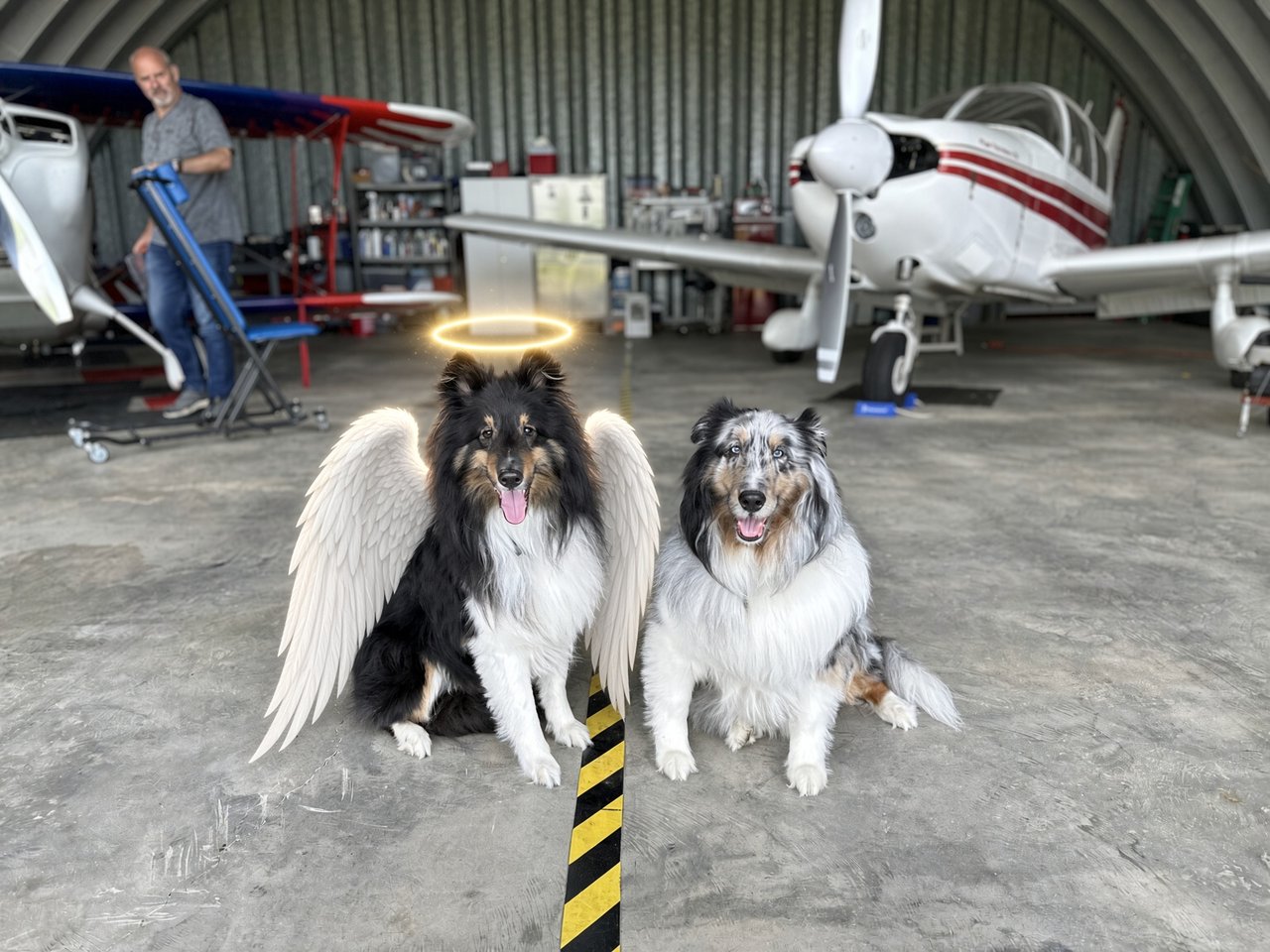
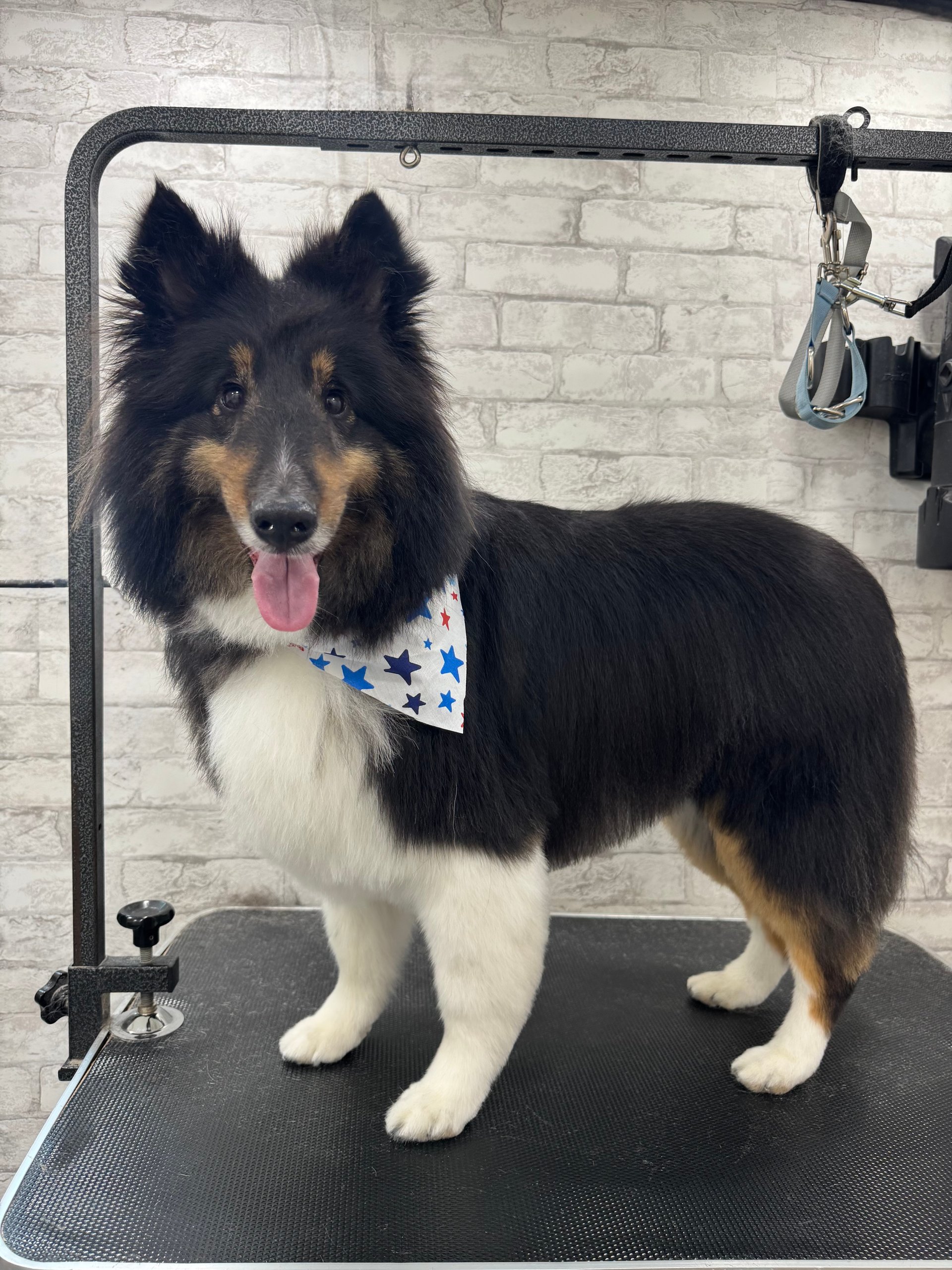
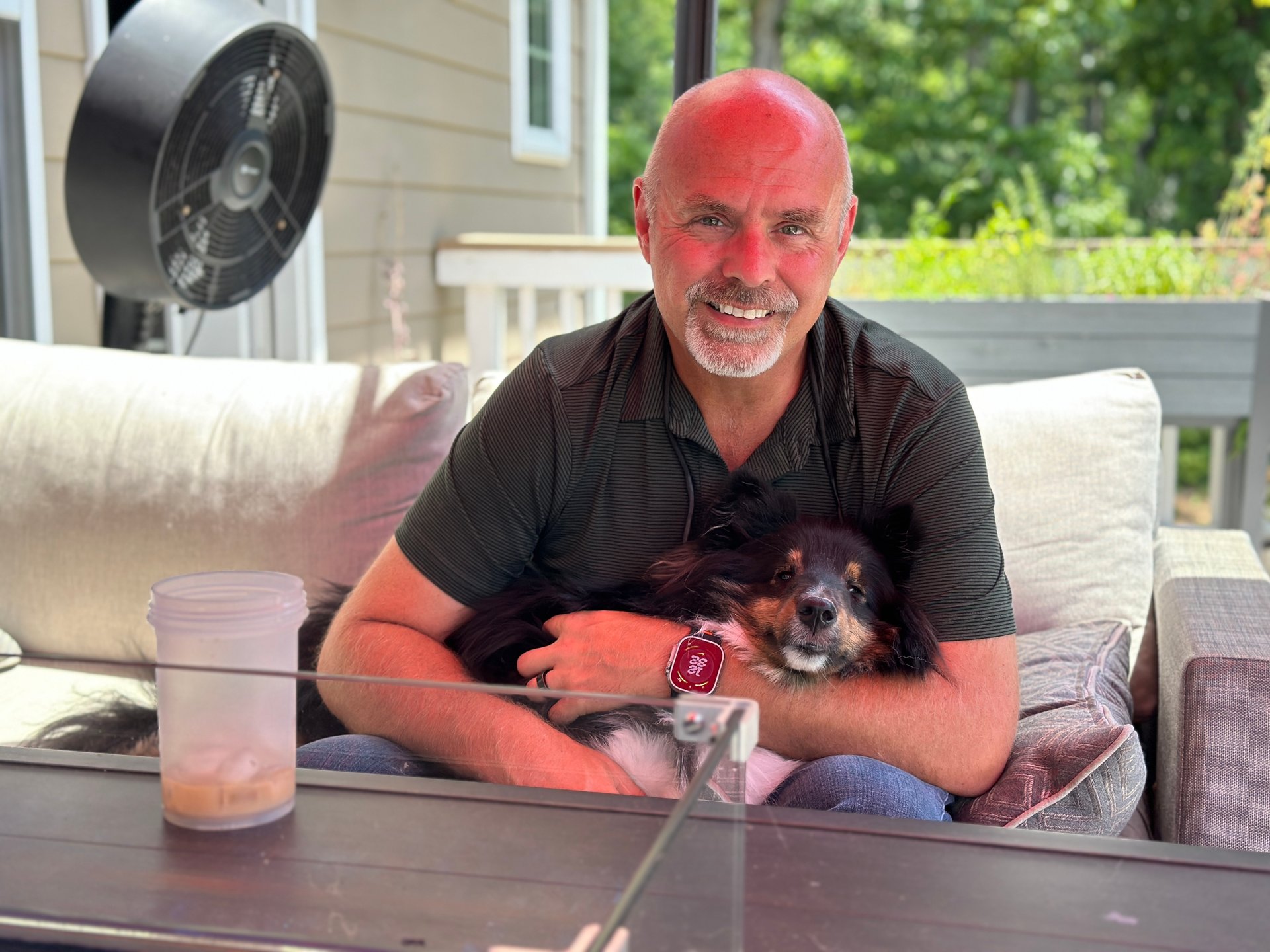
Bolt was a four and a half year old Sheltie. He was the alpha in our house of three Shelties, and he was the glue that held the other two together. Melanie and I do not have children together, so a long time ago we decided our dogs would be our kids. I will say plainly that the love they give back is worth every bit of it.
Bolt was different. Say what you want, but parents can have a favorite. It does not mean you love the others less. One just stands out. He stood out. There is not enough room in this blog to tell you how good he was, so I am going to get on with the story, because the story is the part that might save your dog.
What happened
Melanie had bought me a special event in Nevada. When we travel we usually board the dogs. This time, someone close to our family was between jobs and needed the money, and we thought the safest place for our dogs would be their own home, with someone there around the clock. We asked whether this person was responsible enough to watch them. We were told yes, absolutely. We left written instructions: their food, their treats, nothing else.
On Friday night we got a text that Bolt had skipped dinner. One missed meal is not an emergency. Keep an eye on him, we said. By Saturday morning he was vomiting and could not climb our six front steps. Melanie watched them carry him up on the door camera. We sent him to the emergency vet and figured it was an obstruction.
It was not. When the vet asked what the dogs had eaten, our dog sitter said food and treats, nothing else. So they started where the history pointed, which was the wrong place, and worked through hours of tests before the blood work came back. Bolt's blood was loaded with fat. Fatty food is what triggers pancreatitis in dogs, so now they had the diagnosis. What they did not have was an answer to the obvious question: fat from what? The one person who had been with him around the clock was standing right there saying kibble. The lab said one thing, the only witness said another, and the vet had to treat around that contradiction while Bolt got worse. That is the whole point of this blog.
That night Blue started vomiting too. Because they already knew what Bolt had, Blue was treated for pancreatitis the moment he arrived. He spent one night and came home. He is doing well, apart from grieving his brother, which all of us are.
Two dogs with the same disease within hours of each other does not happen by chance. We asked again, directly. Bacon? No bacon. Nothing. We FaceTimed through the house and looked at every counter and trash can ourselves. Nothing was out. It did not add up, but from across the country we had no way to prove otherwise.
We landed Sunday night and drove straight from the airport to the hospital. Melanie stayed with Bolt all night. He did not make it twelve hours after we got there. He died Monday morning, October 5. Melanie was in the room while they performed CPR on him three times. That is something she will never forget. Our little boy was gone.
The next day I went back through the house cameras. Our sitter had fed them food we were never told about. Not once, not twice, but three times. We put the video in front of her. Her, on our camera, handing our dogs bacon. The answer was still no.
I have thought a lot about why someone lies while watching themselves do the thing. Fear. Embarrassment. Not wanting to be the person who caused it. I understand those feelings. Everyone has them. But remember this about them: those feelings cost dogs their lives. A dog cannot tell the vet what he ate. He cannot speak for himself. The only voice he has in that room is the person who was there, and if that person protects their own pride instead of the dog, the dog pays for it. Your embarrassment is not worth their life. It is not close.
We do not believe anyone set out to hurt our dogs. We do know that an honest answer on Saturday morning would have sent the vet straight to the right diagnosis, the way it did for Blue. Instead, Bolt lost most of a day to the wrong path, and that day is the one he needed.
How fast it moved
People hear "pancreatitis" and picture a dog that got into a whole pan of grease. That is not what happened here. This was a few pieces of bacon, handed over as a treat. Not the grease. The pieces. Here is the clock, from our own cameras and our own texts.
- Thursday morning. Bacon at breakfast. Half a slice each. That is all it took to start this.
- Thursday midday. Chicken teriyaki. (She never mentioned this either.)
- Friday, 1:30 a.m. More bacon. The largest serving of the three, right before everyone went to bed, so it sat in two dogs overnight.
- Friday dinner. Bolt would not eat, signs of starting to not feel good. About a day and a half after the first bacon, and less than a day after the last of it, he was already sick.
- Saturday morning. Bolt vomiting, unable to climb six steps. Emergency vet.
- Saturday evening. Acute pancreatitis, found after hours of testing because the vet was told the dogs had eaten nothing but their food. Blue starts vomiting. Same hospital, treated for pancreatitis on arrival.
- Sunday late night. We land and go straight to Bolt and Blue. Later, Blue comes home.
- Monday morning, October 5. After fighting so hard... Bolt dies.
- Tuesday. We watch the video and learn what they ate.
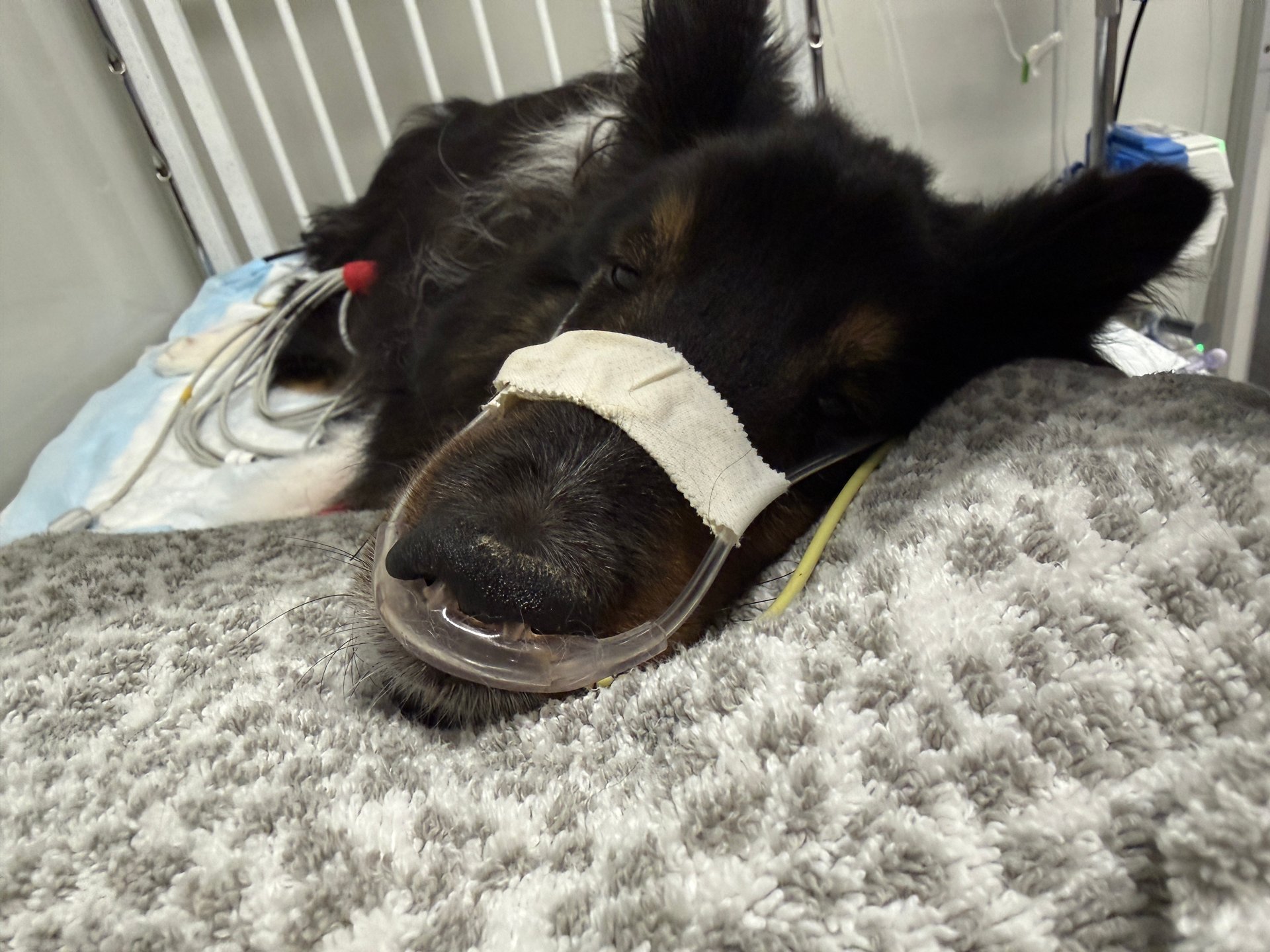
Thursday morning to Monday morning. A few pieces of bacon killed our perfect, beautiful, sweet amazing boy Bolt and nearly killed his brother. If you take nothing else from this, take that it does not take much, and it does not take long.
And we did everything we could, the vet was given the green light to do whatever it takes to save our son; we wanted him to have every fighting chance to pull through. But a simple missed meal led to vomiting led to lethargic, to a fever, to a seizure, to brain damage, to sepsis, to pneumonia, and to cardiac arrest. Even with a full team in an ER doing everything to save him, we couldn't.
What the vet told us
The emergency vet said something I keep coming back to. They are not there to judge anyone. They are there to save animals. They treat acute pancreatitis every day, because most people have no idea that what they just gave their dog can trigger it. The large majority of dogs survive when treatment starts early. A small percentage do not make it when the disease gets too far ahead of the care. Bolt is now part of that small percentage.
They also told us that people hide what their dogs ate all the time when they bring them in, out of embarrassment or fear, and that it costs animals their lives. If you take one thing from this blog, take that. Tell the vet everything. They have heard worse, and they cannot treat what they do not know about.
Five things in your home that can hurt your dog, starting with the one that took Bolt
1. High fat food, even a little, even once. Bacon, bacon grease, grill drippings, ham, sausage, fatty trimmings, the skin off a rotisserie chicken, butter, gravy. A single rich meal can trigger acute pancreatitis, which is the pancreas inflaming and beginning to digest itself. Small and medium breeds, older dogs, and overweight dogs are at higher risk, and Shelties are among the breeds vets see it in often. Early signs are refusing food, vomiting, a hunched back or "praying" posture, lethargy and a tender belly. Those signs, with any chance of a fatty meal in the last day or two, mean an emergency visit, not a wait and see. Treatment works best in the first hours.
- What is very confusing to a lot of people is so many dog treats are "bacon flavored" so they think bacon is good for dogs. It is NOT. Dog treats that are bacon flavored are using fake synthetic flavors, not real bacon. I really wish they would be MORE clear about this on their labels and marketing packages. Real bacon is loaded with fat and salt which creates an explosive reaction to dogs pancreas which leads to worse. Bolt's vet said what was happening inside his body from the fat was "violent." That is devastating to hear. (Just ask "Alexa or AI" - Can dogs have bacon and what happens and the response is direct "NO!")
2. Xylitol, the sweetener hiding in ordinary products. Sugar-free gum and mints, some peanut butters, sugar-free baked goods, some chewable vitamins and children's medicines, and some toothpastes. Xylitol causes a dog's blood sugar to crash within an hour and can cause liver failure after that. A purse left on the floor with a pack of gum in it is a real hazard. Check the label on any peanut butter before you put it in a Kong.
3. Grapes and raisins. Including trail mix, oatmeal cookies, fruitcake and the raisins a toddler drops under the table. They can cause sudden kidney failure, and the dangerous amount is unpredictable. One dog eats a handful and is fine. Another eats three and is not. There is no safe number, so there is no safe amount.
4. Human pain relievers. Ibuprofen, naproxen and acetaminophen are toxic to dogs at doses people think of as small. A single ibuprofen can cause stomach ulcers and kidney damage in a small dog. Never give a dog a human pain reliever for a limp or after a long day, and keep bottles off nightstands and out of bags on the floor. Call your vet for anything that needs a pain medication.
5. Onions, garlic, chives and leeks, in every form. Raw, cooked, powdered, in broth, in baby food, in the drippings from a roast. They damage red blood cells and cause anemia that may not show up for several days. The powdered forms are the ones people miss, because garlic powder is in a lot of leftovers that end up in a dog bowl.
If you think your dog got into something
Call your vet or an emergency hospital right away. If you are not sure, call the ASPCA Animal Poison Control Center at 888-426-4435 or the Pet Poison Helpline at 855-764-7661. Both are open around the clock. There may be a consultation fee. Pay it.
Then tell them everything. Before you walk in, write down every single thing your dog ate in the last 24 hours, down to the tiny training treat and the crust someone slipped under the table, and go back 48 hours so the vet has a place to start. Take pictures of the food, the treat bag, the package, whatever it was. Hand them the list. Do not leave out a detail because it seems small or because it was not supposed to happen. Nobody at that desk is going to lecture you. They are going to use what you tell them to pick the right treatment in the first hour, which is the hour that matters. If we had been handed that list on Saturday morning, Bolt would have been treated the way Blue was.
If someone is watching your dogs
Write it down. What they eat, when they eat, what they never get, and that "no people food" means none, not a little. Put it on the refrigerator. Ask the sitter to text you a photo at meal times. If something seems off, tell them to go to the vet first and ask you second. And make it easy for them to tell you the truth. Say out loud, before you leave, that if the dogs get into anything you want to know right away and nobody is in trouble. We did not say that. We thought it was understood.
For Bolt
Bolt was the kind of dog who checked on everybody. He checked on Blue. He checked on his sister. He checked on us. Our house is quieter now, and Blue is still looking for him.
We are writing this so you do not have to write one like it. If you love your pet the way we love ours, do not take for granted that they will be there tomorrow. The same goes for the people you love. Take an hour this week and look up what is dangerous for your animal's breed and size. Read the peanut butter label, take a look at their diet and just take time to learn more about dogs. Put the instructions on the refrigerator. And if the worst happens anyway, tell the vet everything.
For those who want to know more about Bolt, Melanie produced a song that says what he meant to us better than I can here. I think it will land with anyone who has lost a soul pet. She will be adding the link to this blog if you would like to hear it. PRESS PLAY. FOR BOLT.
Thank you for reading this. Give your dog a scratch from us.
Michael Boyce II, Real Estate Professional
The M Group, Real Broker, LLC
540-870-0437
[email protected]
www.themgroupva.com
Melanie Lucero, Real Estate Professional
The M Group, Real Broker, LLC
540-870-0714
[email protected]
www.themgroupva.com
This blog shares our experience and general information about common household hazards for dogs. It is not veterinary advice. If you think your pet has eaten something harmful, contact your veterinarian or an emergency animal hospital immediately.
