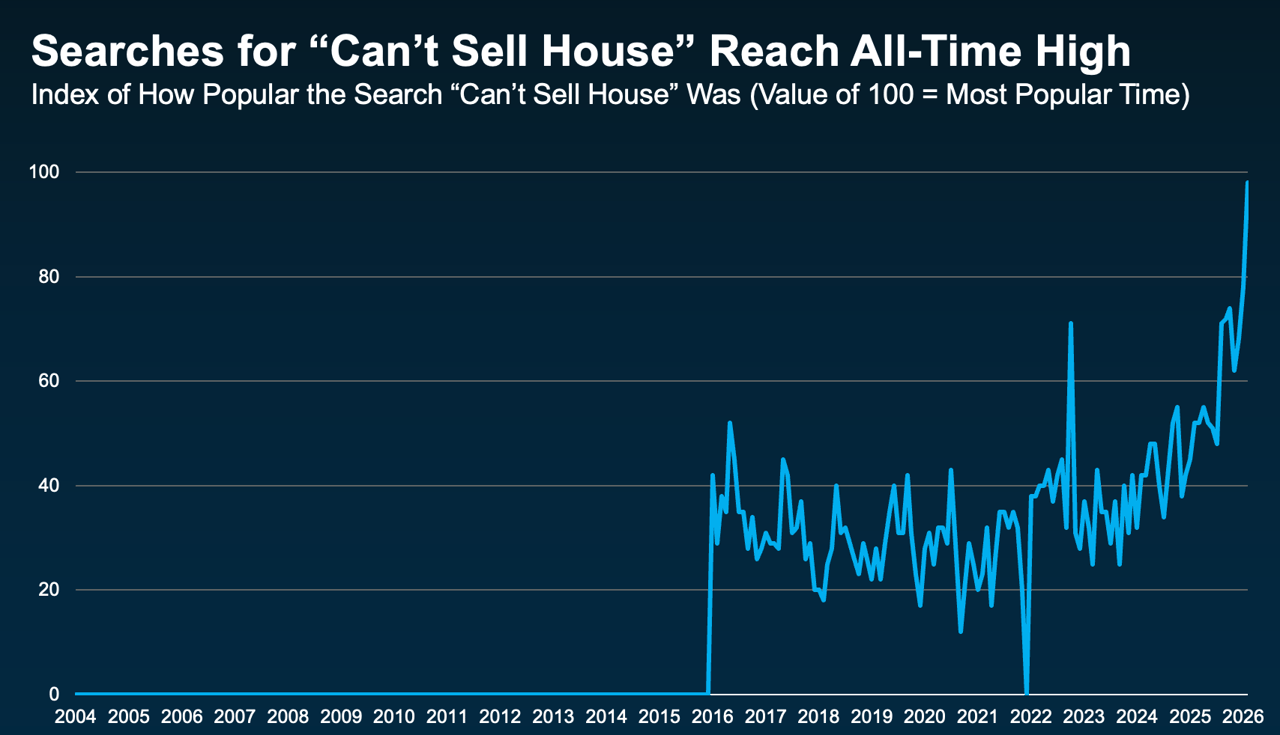
If your house has been sitting on the market longer than you hoped, I totally get the frustration—it's tough watching days turn into weeks without much action.
But skip the endless Google searches or second-guessing everything. Your agent is the one who truly knows your local market, your home's specifics, and what's happening with buyers right now—way better than any online tool or generic advice.
A quick search or AI might spit out some ideas, but only your experienced agent can really pinpoint what's going on and how to turn it around.
In today's market (and right here in Virginia, things are steady but more balanced than the crazy boom years), homes that aren't moving fast usually tie back to one—or a mix—of these three common factors. No blame game, just real talk on what often makes the difference:
- Presentation: It’s got to stand out again
- Buyers have way more choices now than a few years ago, when low inventory forced them to overlook flaws. Today, they scroll fast, comparing dozens of listings side by side—condition, updates, brightness, finishes, layout, the works.
- If the home feels a bit dated, cluttered, or needs obvious touch-ups, it can get passed over quick.
- You don't need a total overhaul, but strong first impressions are back in play: great curb appeal, clean and neutral spaces, and professional photos/videos. Small things like wall scuffs or outdated features can add up and hurt momentum.
(Quick marketing check: If your agent's delivering on what they promised—solid social media buzz, email campaigns to buyers, video tours, sharp photos, and your listing shining on Zillow, Realtor.com, etc.—and you're still not seeing traction? We can likely zoom in on pricing or current market conditions. But if the marketing feels light, that might be the tweak needed.) - Pricing: Gotta meet the market where it is
- This one's tough to hear, but prices shift with the times—what a neighbor got a couple years back doesn't always carry over. As Selma Hepp, Chief Economist at Cotality, nails it: “For sellers, the days of pricing aggressively and expecting instant offers are largely over. Homes that are well-priced and well-presented will still sell, but pricing discipline matters more than it did during boom years.”
- Buyers are super budget-aware these days with rates and affordability in focus. If the price is set on older expectations instead of today's real demand and comps, folks might browse... but offers stay low or don't come at all.
- Overpricing remains one of the biggest stalls out there. The sellers who adjust to current realities? They get the momentum going.
- Access: Make it easy for buyers to see it
- Sounds basic, but limited showings kill opportunities. If evenings only, no weekends, or long notice required, you're quietly shrinking the pool of potential buyers.
- More options mean less friction wins—easy access gets more walkthroughs, better feedback, and ultimately more offers.
When things feel stuck, it's tempting to wonder what's "wrong"—but instead of pointing fingers (at the market, the house, or anyone else), let's just look at the data and these common reasons. Your agent's invested serious time, money, and effort—professional photos, constant monitoring, strategy calls, marketing pushes—to get your home in front of buyers. If you've talked to them and they're walking you through the marketing they're doing (matching what they outlined upfront), you picked the right partner. Lean on their expertise—they're the pros seeing the showings, hearing buyer feedback, and tracking what's working in your area right now.
So grab a quick chat with your agent and ask the straight questions:
- What are active buyers prioritizing in this market?
- What are we hearing back from the showings?
- Based on everything you're seeing, what do you think is the main hold-up?
That honest convo will give you way clearer direction than any online scroll.
Bottom line: A slower-than-expected listing isn't a dead end—it's just feedback from the market. Use it. Your agent can spot the small adjustments (price tweak, staging refresh, more flexible showings) that often flip the script fast.
The sellers who listen and adapt? They're the ones who sell and move forward. You've got a great team behind you, let’s make it happen.
