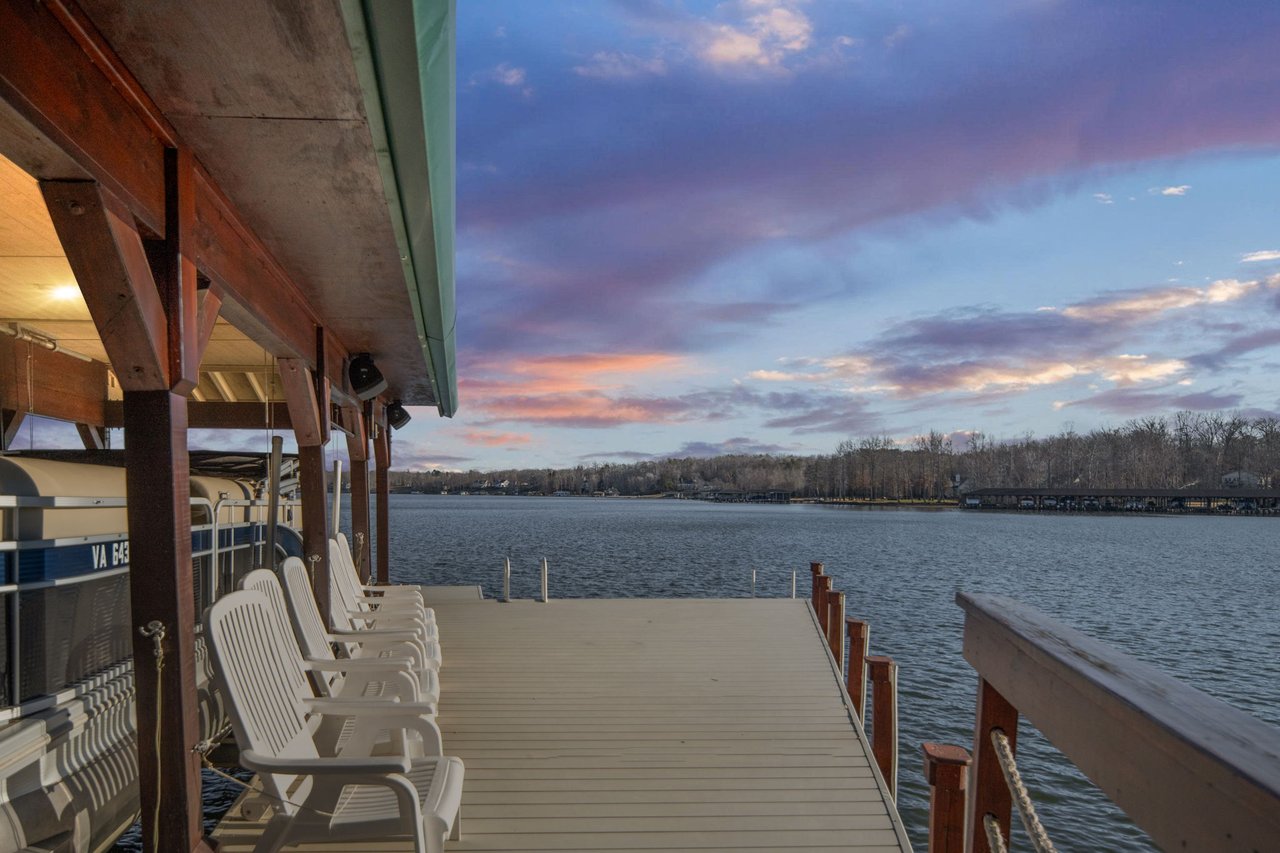
The short answer: Lake Anna buyers walk through the house, then walk straight to the water. What they find at the dock, the condition, the depth, the lift, the electrical, the overall feel, shapes how they think about price, inspections, and whether they make an offer at all. Sellers who understand this before they list come out ahead. Sellers who find out at the inspection table pay for it.
Here's what buyers are actually evaluating, what it means for your sale, and what's worth fixing before you call a realtor.
What Do Lake Anna Buyers Look at First — the House or the Water?
The house comes first, but not by much. Most buyers I work with do a reasonable walkthrough inside, then head straight to the water. That's where their attention shifts from curious to serious, or from serious to skeptical.
The first thing they're taking in isn't the dock structure. It's the view and the water itself. Open water versus cove. How far the view carries. Whether the shoreline feels private or exposed. This is the emotional pull of Lake Anna real estate, and you can't manufacture it. What you can control is whether anything is dulling it, overgrown vegetation along the shoreline, dead trees, debris floating near the dock. A clean, clear shoreline framing an open water view is worth an afternoon of work before any showing.
Water depth comes up quickly too. Buyers with larger boats ask about it directly. If you're on a shallow cove, know that answer before you're standing there with a buyer who owns a 24-foot pontoon. Surprises here tend to cost more than honesty upfront.
What Condition Issues Do Lake Anna Buyers Notice on a Dock?
Once buyers are on the dock, here is what they are looking at and what it means for your sale.
Structural feel and decking condition. The first thing a buyer notices is whether the dock feels solid underfoot. Boards that flex, creak, or are visibly rotted, warped, or missing create anxiety that doesn't go away, even if the rest of the inspection is clean. Replacing damaged decking is routine maintenance. It does not require Dominion Energy approval or county permits. It is straightforward work, it is not expensive relative to what deferred maintenance costs you at the negotiating table, and it changes the feel of the dock immediately.
The roof. Covered docks are common at Lake Anna, and buyers look up. A sagging, stained, or aging roof is a flag. Like decking replacement, replacing roofing on an existing covered dock is routine maintenance that does not require Dominion approval. If your roof has obvious wear, get a quote before you list. You will almost certainly recover it.
The lift. If your property has a boat lift, buyers will try to operate it during the showing. A lift that doesn't work, makes grinding noises, or looks like it hasn't been serviced recently is one of the most common sources of concession requests I see on Lake Anna waterfront transactions. Get it serviced before you list. A working lift in good condition is a genuine selling feature. A broken one is a negotiating tool for the buyer.
Electrical and shore power. Buyers want to know whether the dock has power, outlets, lighting, the ability to charge a boat or run equipment. If your dock has electrical, make sure it works and that it's up to code. Dock electrical is something inspectors examine carefully, and issues here can trigger lender-required repairs in addition to concession requests. If you don't have electrical and the dock is otherwise in great shape, that's fine, but expect buyers to ask. Adding shore power requires a licensed electrician, Dominion Energy approval, and county permits, so it's not a quick addition.
Slip size and boat fit. Can it accommodate the buyer's boat? You can't change this, but you should know your numbers before a showing. Know your water depth at the dock, your slip dimensions, and if you have a lift, its weight and size rating. Buyers with specific boats do this math quickly. Providing the numbers upfront is better than letting them guess, or walk.
What's coming due. Experienced buyers and their inspectors are not just evaluating what's wrong today. They're estimating what the dock will need in the next three to five years. Aging pilings, rusting hardware, a roof with a couple of seasons left, these become line items in a buyer's head that show up as lower offers or aggressive inspection concessions. If you know something is on borrowed time, it is almost always better to address it than to let the buyer put a number on it for you.
Do I Need a Permit to Fix My Dock Before Listing in Virginia?
This question comes up with almost every seller I work with, so here is the clear breakdown for Lake Anna specifically.
Routine maintenance — no Dominion Energy permit required. Replacing decking boards, replacing roofing, swapping out hardware, repainting or re-staining, servicing a lift, anything that is like-for-like and does not change the size, footprint, or structure of the dock. You can handle this work without filing anything with Dominion Energy or your county.
Upgrades and structural changes — Dominion approval required. Adding an upper deck, enclosing a boathouse, extending the dock's length or width, adding slips, or installing shore power, these changes require Dominion Energy approval. Most communities around Lake Anna also require HOA or POA architectural review committee approval before Dominion will accept your application. County building permits typically apply as well. The sequencing matters: start with your HOA, then go to Dominion, then the county. Getting that order wrong can add months to a project.
Unpermitted additions are a transaction risk. If your dock has modifications that were made without Dominion approval, an upper deck added years ago, an enclosure that never went through the process, that can surface during a transaction and create real problems. If you have any doubt, have that conversation before you list, not after you're under contract.
How Does Dock Condition Affect the Sale Price of a Lake Anna Waterfront Home?
A dock in poor condition affects your sale in three ways, and none of them are good.
First, it changes how buyers feel about the property emotionally, which affects how aggressively they pursue it and what they're willing to pay before inspection.
Second, it gives inspectors something concrete to report, which gives buyers leverage they will use. A dock inspection that comes back with $15,000 in recommended repairs on items you knew about is money you're handing to the buyer.
Third, it signals to buyers that the property has been deferred on generally, which makes them look harder at everything else.
Sellers who walk their dock honestly before listing, address the routine maintenance items, and come to the table with accurate information about depth, slip size, lift capacity, and permit status consistently have smoother transactions and better net outcomes than sellers who don't.
What Should Lake Anna Home Sellers Do Before Listing a Waterfront Property?
Before you spend a dollar, have someone walk the property with you who knows how Lake Anna buyers think. Here is the pre-listing dock checklist I go through with every seller:
- Walk every board. Replace anything soft, rotted, or visibly damaged.
- Check the roof. If it's clearly aging, get a quote.
- Service the lift. Make sure it operates smoothly and that you know its weight and size rating.
- Test the electrical. Confirm outlets and lighting work and that the system is up to code.
- Know your water depth at the dock. Have the number ready.
- Know your slip dimensions. Measure if you're not sure.
- Pull out any documentation you have on the dock, original Dominion permits, HOA approvals, any work that's been done.
- Walk the shoreline. Clear debris, trim overgrown vegetation, and make sure the view from the dock is as clean as possible.
None of this requires a permit. All of it affects how buyers experience your property and what they think it's worth.
Frequently Asked Questions: Selling a Lake Anna Waterfront Home
Do Lake Anna waterfront homes sell faster in spring and summer? Yes. The majority of Lake Anna waterfront transactions happen between April and September, when buyers can evaluate the dock, the water, and the lifestyle in person. Listing before Memorial Day gives you the strongest buyer pool of the year.
Does the warm side versus cold side of Lake Anna affect what buyers look for at the dock? It affects water temperature expectations and recreational use patterns, but buyers on both sides evaluate dock condition, depth, and lift functionality the same way. Warm side properties near the Waste Heat Treatment Facility tend to command a premium for extended swim season, but a rough dock will cost you on either side.
How much does dock condition affect the sale price of a Lake Anna home? There's no universal number, but in my experience a dock with deferred maintenance that surfaces at inspection typically can costs the seller between $10,000 and $25,000 in concessions, often on items that could have been addressed for a fraction of that before listing.
What does Dominion Energy need to approve for Lake Anna dock work? Routine maintenance like replacing decking or roofing does not require Dominion approval. Structural changes, adding square footage, upper decks, enclosures, additional slips, or shore power, require a Dominion shoreline permit, and on most Lake Anna communities, HOA approval comes first.
Should I disclose dock issues to buyers before listing? Virginia requires sellers to disclose known material defects. Beyond legal obligation, proactive disclosure on dock condition, paired with a reasonable price adjustment or repair, almost always produces a better outcome than letting a buyer discover issues at inspection. Surprises at inspection cost more than honesty upfront.
What if the dock has unpermitted work on it? This needs to be addressed before listing, not after you're under contract. Unpermitted dock modifications can complicate financing, title, and the transaction generally. Call me before you list and we'll work through it.
How do I find out what permits my Lake Anna dock has? Start with any documentation you have from when the dock was built or modified. Dominion Energy's Lake Management department can confirm what's on file for your property. Your HOA or POA will have records of any architectural approvals they issued.
About Michael Boyce
Michael Boyce is a waterfront real estate specialist at Lake Anna, Virginia, with deep experience in lakefront transactions on both the public and private sides of the lake. He works with sellers and buyers across Louisa, Spotsylvania, and Orange counties, and provides honest, no-pressure guidance on what it takes to sell a Lake Anna property well, starting with a free pre-listing walkthrough.
Thinking about selling your Lake Anna waterfront home this spring or summer? Reply to this email and Michael will come walk the property with you, dock, shoreline, and house, and give you an honest prioritized list of what's worth addressing before you spend a dime.
