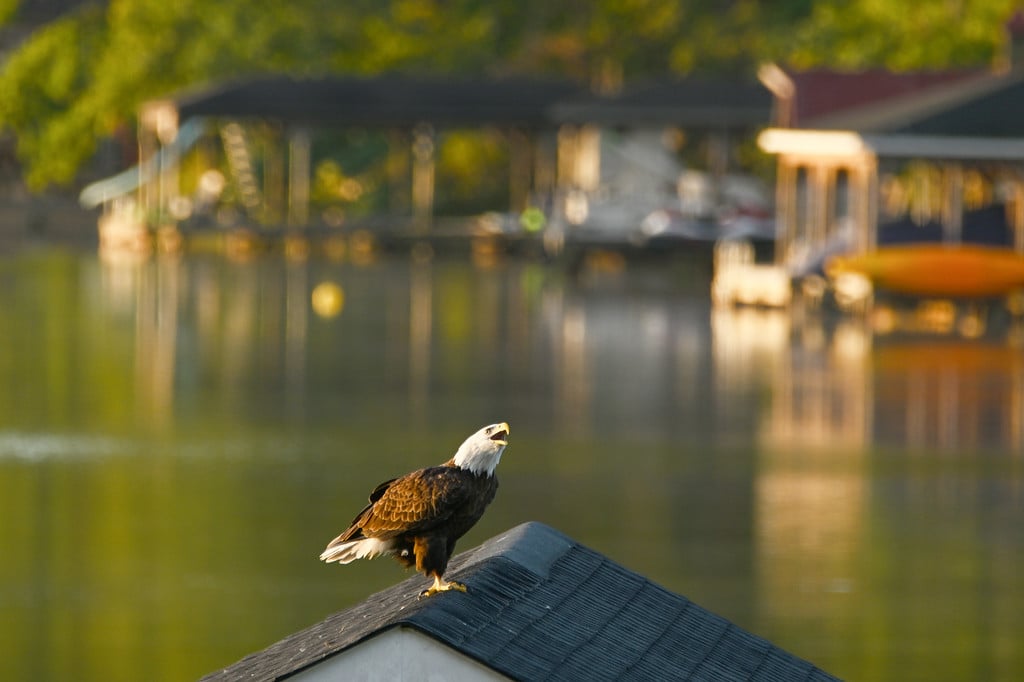
Wildlife at Lake Anna, Virginia: A Living Ecosystem on Land, Water, and Sky
Lake Anna, Virginia is more than a recreational lake destination. It is a thriving natural ecosystem where wildlife and lake living exist side by side. Spanning more than 13,000 acres of water and surrounded by forests, wetlands, and protected land, Lake Anna supports a wide range of wildlife species year-round.
For residents, visitors, anglers, and nature enthusiasts, wildlife is part of everyday life at Lake Anna. From bald eagles overhead to fish beneath the surface and mammals moving through the woods, the lake offers one of the most diverse and active natural environments in Central Virginia.
Birdlife at Lake Anna
Birdlife is one of the most visible and celebrated aspects of Lake Anna’s ecosystem. The combination of open water, wooded shoreline, and wetlands creates ideal habitat for both resident and migratory birds.
Bald eagles are now a common sight and have become a symbol of the lake’s environmental health. They can often be seen perched in tall pines or flying low over the water while hunting fish. Ospreys are equally prominent and frequently spotted diving into the lake to catch prey.
Great blue herons, green herons, and egrets patrol shallow coves and shorelines, especially during early morning and evening hours. Waterfowl such as Canada geese, mallards, wood ducks, and mergansers are present throughout much of the year, with additional species arriving during seasonal migrations.
Wooded areas surrounding the lake support a wide variety of songbirds including cardinals, blue jays, chickadees, wrens, woodpeckers, owls, and hawks. These birds contribute to both the soundscape and ecological balance of the area.
Fish Species in Lake Anna
Lake Anna is widely recognized as one of Virginia’s premier freshwater fisheries. Its healthy fish population supports both recreation and the broader wildlife food chain.
Largemouth bass are the most sought-after species, thriving in the lake’s vegetation and underwater structure. Striped bass, crappie, bluegill, catfish, and sunfish are also abundant. The lake’s warm-water discharge area contributes to longer growing seasons, helping sustain strong and stable fish populations.
These fish are critical not only to anglers but also to birds of prey such as eagles and ospreys, reinforcing the interconnected nature of Lake Anna’s ecosystem.
Mammals Around Lake Anna
A wide variety of mammals live in and around Lake Anna, particularly in wooded areas, along creeks, and near undeveloped shoreline.
White-tailed deer are the most commonly seen large mammals and are frequently spotted near wooded lots, especially during early morning and dusk. Raccoons, foxes, opossums, and skunks are active mostly at night and often leave tracks along the shoreline.
Beavers and muskrats inhabit quieter coves and tributaries, shaping wetland areas and improving habitat diversity. River otters, while less common, are occasionally seen swimming or playing near calm stretches of water.
Smaller mammals such as squirrels, rabbits, chipmunks, and field mice are widespread and play an important role in the local food web.
Black Bears in the Lake Anna Region
Black bears are native to Virginia and do exist in the broader Lake Anna region, particularly in the surrounding rural and heavily wooded areas of Louisa County, Spotsylvania County, and Orange County.
Bears do not typically live in populated lakefront communities. Most sightings near Lake Anna involve bears passing through undeveloped land, forest edges, or large-acreage properties rather than establishing territory near homes.
Sightings are uncommon but not unheard of, and most residents will never encounter one. Virginia black bears are generally non-aggressive and naturally avoid people. Issues arise almost exclusively when bears are attracted by unsecured food sources such as trash, bird feeders, pet food, or grills.
When homeowners follow basic precautions like securing trash and avoiding outdoor food sources, bear encounters are rare and brief. The presence of bears is widely viewed by wildlife experts as a sign of a healthy, expanding ecosystem rather than a safety concern.
Reptiles and Amphibians
Lake Anna supports a healthy population of reptiles and amphibians, many of which are important indicators of environmental quality.
Turtles are commonly seen basking on logs and rocks along the shoreline. Species include painted turtles, sliders, and snapping turtles. Several species of non-venomous snakes inhabit the area and play an important role in controlling rodent populations.
Frogs and toads thrive in wetland areas and coves. Bullfrogs, tree frogs, and leopard frogs are especially active during warmer months, contributing to the natural sounds of summer evenings at the lake.
Insects and Pollinators
Insects are a critical but often overlooked part of Lake Anna’s ecosystem. Dragonflies, butterflies, bees, and other pollinators support native plant life and agricultural areas nearby.
Fireflies are a seasonal highlight, particularly in wooded and undeveloped areas. Aquatic insects play a vital role in sustaining fish populations and maintaining water quality throughout the lake.
Protected Habitats and Conservation Areas
Much of Lake Anna’s wildlife thrives due to preserved land and responsible environmental management. Lake Anna State Park protects forests, wetlands, and shoreline that remain largely undisturbed, providing critical habitat for birds, mammals, reptiles, and amphibians.
In addition, many private properties maintain natural buffers and conservation-minded landscaping, helping preserve wildlife corridors around the lake.
Living With Wildlife at Lake Anna
Wildlife is part of everyday life at Lake Anna. Homeowners regularly see deer moving through properties, eagles fishing offshore, turtles near docks, hear owls calling at night, and foxes or raccoons passing through after dark.
This close connection to nature is one of the defining features of the Lake Anna lifestyle and a major reason people choose to live, invest, and vacation here.
Why Wildlife Matters to the Lake Anna Lifestyle
Healthy wildlife populations signal a strong ecosystem and directly enhance quality of life. They support fishing, kayaking, photography, and outdoor recreation while contributing to the area’s natural beauty and long-term value.
Lake Anna is not just a recreational lake. It is a living, breathing environment where land, water, and wildlife coexist. For those who value nature alongside boating and waterfront living, Lake Anna offers one of the most complete and rewarding lake communities in Virginia.
